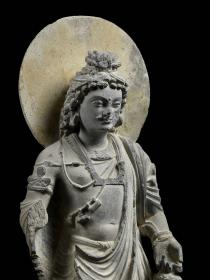
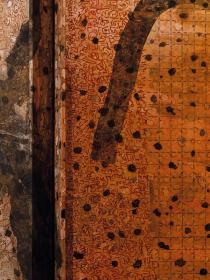
Featured in the collections, the Indian Begram ivories, the stucco faces from the Hadda monasteries, the clay sculptures from Fondukistan and the mural paintings from Bamiyan all showcase the creativity in the Afghanistan and Gandhara regions until the progressive arrival of islam during the 8th and 9th centuries.
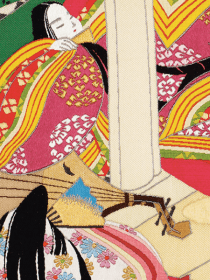
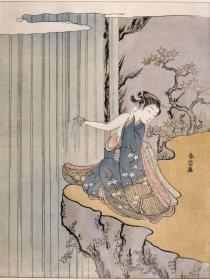
The collections of the Japanese section comprise about 11000 artworks and offer a rich and diverse view on Japanese art from its birth to the Meiji era (1868), as well as modern and contemporary art.
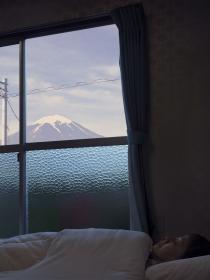
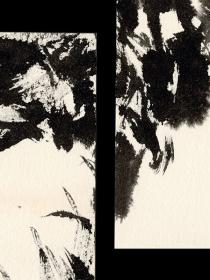
Through a collection of colour portraits, landscapes and etching-like black-and-white still lifes, Pierre-Elie de Pibrac recounts the sense of impermanence
which pervades Japanese culture.
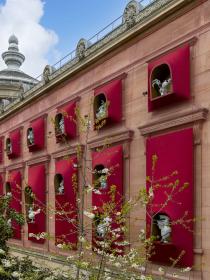
To celebrate with splendour the year of China at the Guimet, monumental and spectacular installations take over the museum in a contemporary and singularly imaginative interpretation of Chinese cultural and mythological symbols.
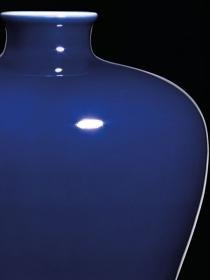
Chinese monochrome masterpieces (8th-18th century)
A quest for perfection, and the pursuit of ever-purer forms and colours. An initiatory journey through beauty, via ten centuries of creation and design in China.