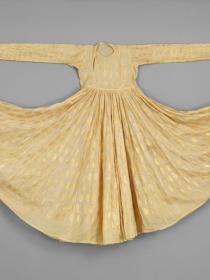
Under the reign of the Mughal emperor Akbar (1556-1605), Babur’s grandson, the Turko-Mongol-style costumes worn during the reigns of Babur and his son Humayun, unsuited for India’s climate, began to resemble traditional Indian garments.
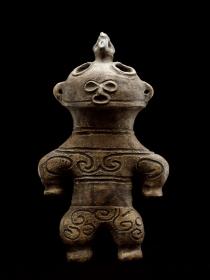
The large horizontal “goggle eyes” of this statuette led it to be called “dogu with snow goggles”, their shape recalling the protections the Inuit population used against the reverberation of the sun on the snow. For others, they are closed eyelids involving these figures in the world of the dead.
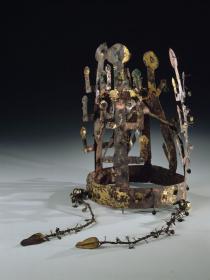
This piece remains one of the most characteristic testimonies of the treasures of goldsmith’s art brought to light in this Silla kingdom (57 BC-668 AD).
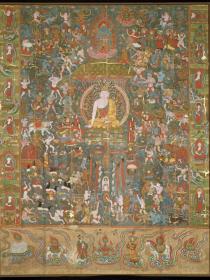
One of the most emblematic scenes in the life of Buddha Shakyamuni is probably the one just before his Awakening, where the supreme deity of the world of desires, Mara, attempts to deter and then vanquish him.
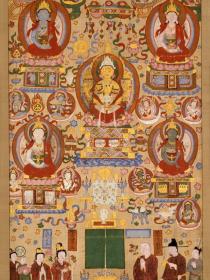
Brought back by Paul Pelliot from the famous Chinese site of Dunhuang located at the start of the Silk Road, this painting represents a Buddhist mandala, or mystical diagramme. As often the case with esoteric works, this one requires being patiently deciphered.
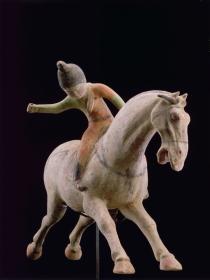
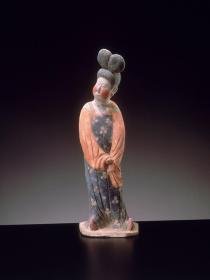
The funerary practices of ancient China reserved an important role to the tomb, the link between two existences. Thus the care taken in decorating the mortuary chamber included placing figurines crafted in wood or terra-cotta beside the deceased to ensure him/her a comfortable sojourn in the beyond.
This image of a Tang Dynasty court lady, exceptionally well preserved, allows to appreciate the details of the costume and makeup of the women of the time.